

Wigs Long Hair Care Guide: How to Keep Length Smooth and Tangle-Free
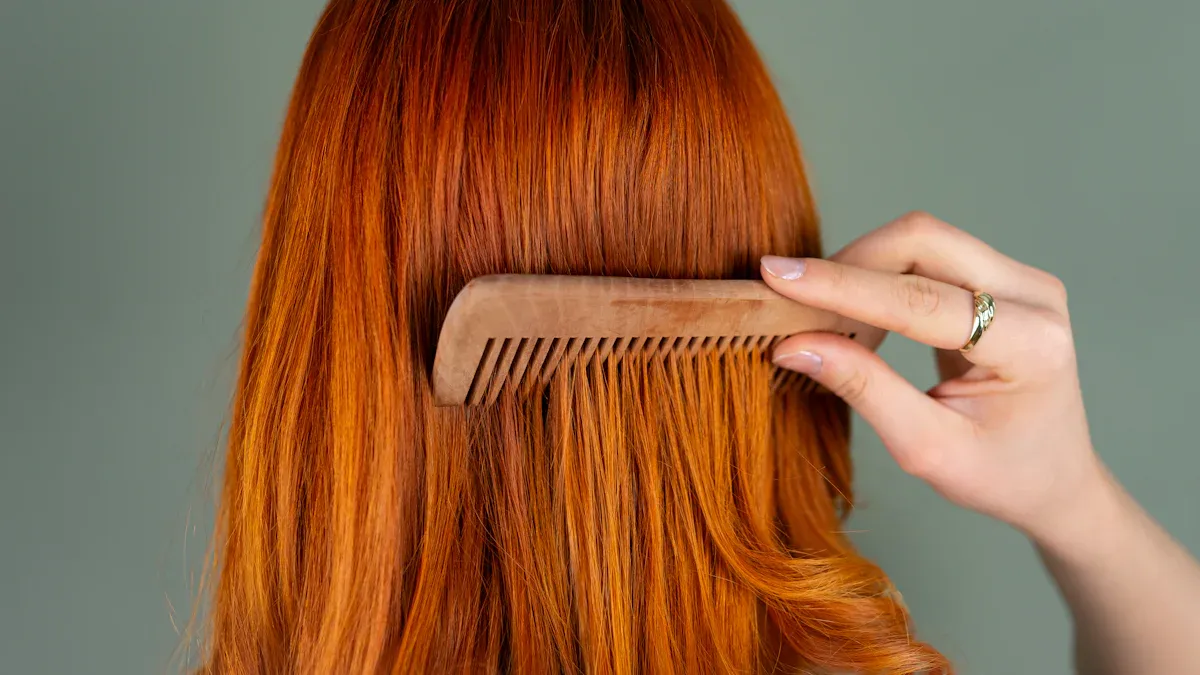
Are you worried about keeping wigs long hair smooth and free from tangles? You are not the only one. Being gentle with your hair really helps it look and feel better. Taking care of your hair often keeps it healthy and makes your wigs look new. Simple habits can make your wig look much better:
Wig Type |
|
|---|---|
Synthetic Wigs |
Do not use too much heat, use special wig products, gently untangle after each use. |
Human Hair Wigs |
Wash and use conditioner often, store it the right way, keep away from wet air and sunlight. |
If you follow the right steps, you can take care of your wigs no matter your skill level.
Key Takeaways
Brush your wig gently from the ends to the roots to prevent tangles and breakage.
Use wide-tooth combs and special wig brushes to detangle and style your wigs safely.
Wash human hair wigs every 7 to 10 wears with sulfate-free products to keep them soft and healthy.
Store wigs properly on a stand or in a silk-lined box to maintain their shape and prevent tangling.
Incorporate deep conditioning into your routine to keep wigs moisturized and looking fresh.
Daily Care for Wigs Long Hair
Taking care of wigs long hair every day helps you keep it smooth and tangle-free. You do not need fancy skills or expensive products. You just need the right habits and tools. Let’s break down the best ways to brush, the tools you should use, and how often you should do it.
Brushing Techniques for Tangle Free Hair
Brushing your wigs the right way makes a big difference. If you start brushing from the ends and move up to the roots, you gently work through knots and matted hair. This method lowers the risk of tangles and keeps your hair from breaking. If you brush from the roots down, you might create more tangles and even pull out strands.
Tip: Always hold the wig at the base while brushing. This keeps the hair secure and stops you from pulling too hard.
Here are some easy steps for brushing:
Begin at the ends of the hair.
Work your way up in small sections.
Use gentle strokes. Do not rush.
Detangle lightly every day to keep the hair smooth.
Gentle handling is key. If you brush too hard, you can damage the wig and make it shed. Skipping these steps can lead to matting and loss of shine, especially with synthetic wigs.
Best Tools for Wigs Long Hair
The right tools help you keep wigs long hair looking its best. Wig care professionals recommend using wide-tooth combs and special wig brushes. Wide-tooth combs are perfect for detangling wet hair. They glide through knots without causing damage. Paddle brushes work well for dry hair and help you get a smooth look.
Here are some top tools you can use:
Wig Comb | Cardani Classics Wig Lift Comb
Rene of Paris Folding Wig Brush | Travel Wig Accessory
Cardani Wig Pick | Hand Held Comb for Heat Friendly Synthetic Wigs
Rene of Paris Wooden Wig Brush
Large Super Looper Wig Brush
Fromm Steel Wig Pick | Anti-Static Lift Comb for Wigs & Hairpieces
Cardani Wide Tooth Wig Comb | Metal Anti Static Wig Brush Pick
Mark V Wig Comb | Professional Wig Styling Comb with Metal Pick Teeth
Wig Care Set: The Essentials | Wig Shampoo, Conditioner, Styling Spray & Stand + Comb
Note: Using the wrong tools can cause fiber loss in both synthetic and human hair wigs.
Wide-tooth combs are gentle and great for detangling. Paddle brushes help you style and smooth the hair. If you use these tools, you lower the risk of breakage and keep your wigs looking fresh.
Brushing Frequency
You might wonder how often you should brush wigs long hair. The answer depends on how much you wear them and what you do during the day. For human hair wig styles, brushing throughout the day helps prevent tangling. If you leave the wig down while sleeping, it can get matted, so avoid that.
Here are some simple rules:
Brush your wig before and after wearing it.
Detangle in small sections for thorough care.
Use a wide-tooth comb or a wig brush made for wigs.
Hold the wig securely at the base while brushing.
Brushing too much can damage the wig and shorten its lifespan. If you see a lot of shedding, you might be brushing too hard or too often. Gentle brushing keeps the knots strong and the hair smooth. If you skip brushing, tangles and matting can build up fast.
Reminder: Gentle, regular brushing is better than aggressive or rushed detangling.
With these habits, you can keep wigs long hair smooth and easy to manage. You do not need to worry about tangles or damage if you use the right techniques and tools.
Washing Wigs Long Hair
Taking care of your wigs long hair starts with a good wash routine. You want your human hair wig to stay tangle free and smooth, so let’s walk through the best steps.
How to Wash Human Hair Wigs
Before you wash, gently detangle your human hair wig with a wide-tooth comb. Soak the wig in lukewarm water and let it hang down. This helps the hair stay straight and prevents knots. Use a small amount of wig shampoo and apply it in a downward motion. Don’t rub or twist the hair. Always move your hands from the top to the ends. This keeps the strands smooth and stops tangling.
Tip: Wash your human hair wigs every 7 to 10 wears. If you sweat a lot or use many styling products, you might need to wash more often.
Choosing Sulfate-Free Shampoo and Conditioner
Choosing the right products makes a big difference. Pick a sulfate-free shampoo and wig conditioner. These products clean gently, help with detangling, and keep your hair soft. Sulfates can strip away natural oils and make hair dry. You should also avoid silicones, parabens, alcohols, synthetic fragrances, phthalates, formaldehyde, mineral oil, and petroleum. These ingredients can cause dryness, buildup, and even hair loss.
Here’s a quick table to help you remember what to avoid:
Avoid These Ingredients |
Why? |
|---|---|
Sulfates |
Dry out hair |
Silicones |
Block moisture |
Parabens |
Cause dryness |
Alcohols |
Dry scalp and hair |
Synthetic Fragrances |
Irritate skin |
Phthalates |
Cause dryness |
Formaldehyde |
Hair loss risk |
Mineral Oil/Petroleum |
Weigh down hair |
Drying Tips for Tangle Free Results
After washing, let your human hair wigs air dry. Air drying keeps the hair healthy and smooth. Blow drying can rough up the hair shaft and make it frizzy. Gravity helps the strands fall straight, so you get a sleeker look. Use a detangler spray and brush gently from the ends up. Store your wig in a cool, dry place. Never sleep in your wig when it’s wet, and keep it away from cold air to avoid shedding.
Air drying is the best way to keep your wigs long hair looking soft and tangle free.
Detangling Methods for Human Hair Wig
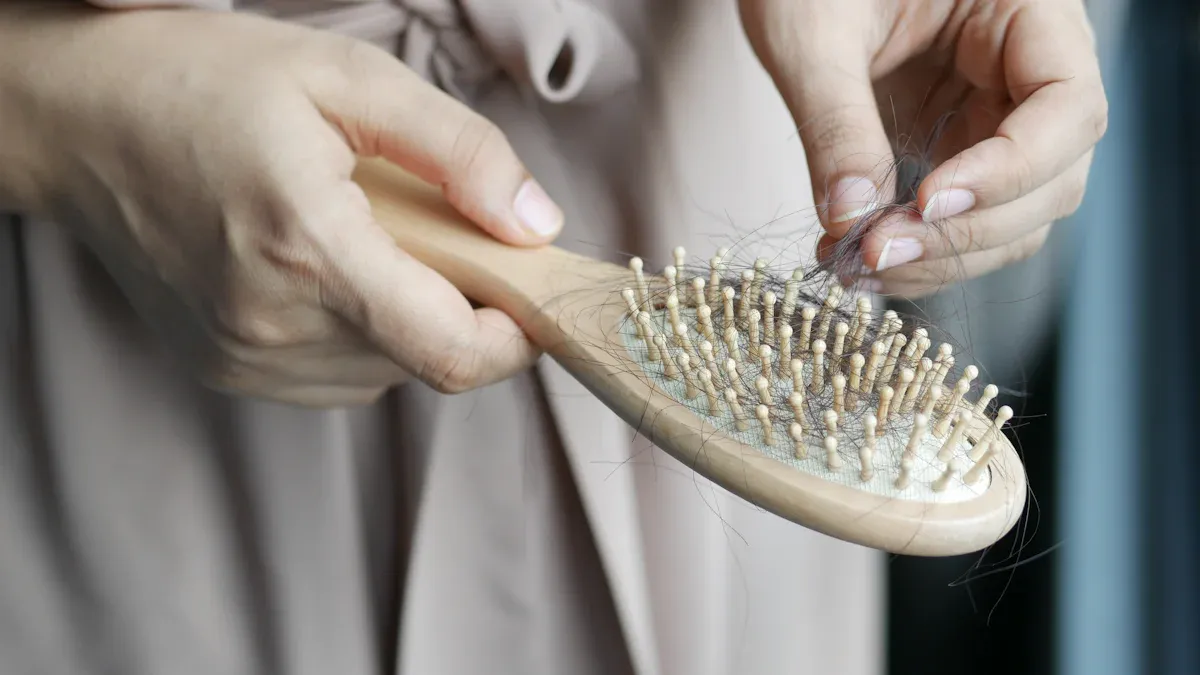
Step-by-Step Detangling
You want your human hair wig to look smooth and stay tangle free. Detangling is a big part of wig care. Start by placing your wig on a stand or holding it steady. Use your fingers to gently separate any large knots. Next, grab a wide-tooth comb and begin at the ends of the hair. Work your way up in small sections. Take your time and use gentle strokes. If you rush or pull too hard, you might cause tangling or even break the hair.
Here’s a simple detangling routine you can follow:
Spray a light mist of detangler on the hair, focusing on the ends.
Use your fingers to loosen any wig tangles.
Comb from the ends up, working in small sections.
Apply a smoothing serum to the tips for extra moisture and shine.
Let the wig air dry if it feels damp.
Tip: Detangle your human hair wigs every day, especially after wearing them for long periods. This keeps the hair manageable and helps prevent tangling.
Detangler Sprays and Serums
Detangler sprays make it easier to manage long hair wigs. These sprays add slip and lubrication, so you can remove knots without much effort. They use conditioning agents and humectants to coat the hair shaft. This makes detangling smoother and less stressful for the hair. You should know that detangler sprays help you get rid of tangles, but they don’t stop new ones from forming. For better prevention, try silicone-based serums or leave-in treatments. These products seal the hair and keep it from drying out.
If you want to make your own detangler spray, here are some key ingredients you can use:
10-15 drops of essential oil (choose your favorite scent)
1 tablespoon of carrier oil (argan, jojoba, or sweet almond work well)
Optional: ½ teaspoon aloe vera gel for extra health benefits
Distilled water
Mix these together in a spray bottle. Shake well before each use. Spray lightly on the hair before detangling. This helps keep your human hair wig soft and easy to manage.
Note: Always focus detangler sprays and serums on the ends of the hair. This is where tangling happens most often.
What to Avoid for Tangle Free Hair
You want your wigs to last and look their best. Rough handling is one of the biggest causes of tangling and frizz in human hair wigs. If you pull, tug, or brush too hard, you damage the hair and shorten the wig’s lifespan. Gentle handling keeps the structure and appearance of your wig intact.
Here are some things you should avoid:
Using harsh products with sulfates, alcohols, or heavy silicones
Brushing wet hair aggressively
Skipping daily detangling
Storing wigs in humid or crowded spaces
Ignoring wig tangles until they get worse
Alert: Always treat your human hair wigs with care. Gentle detangling and the right products help you keep your hair smooth and healthy.
If you follow these steps and use detangler sprays and serums daily, you’ll find that tangling becomes less of a problem. Your wigs will stay soft, shiny, and easy to style.
Preventing Tangles in Wigs Long Hair
Protective Styles for Tangle Free Hair
You want your wigs to stay tangle free and smooth, right? Protective styles help you prevent tangling and keep your hair looking fresh. Try these options when you wear human hair wigs:
Weaves and wig braids give you versatility and shield your natural hair from damage.
Individual braids work well for textured hair. Just don’t overload them with extensions, or you might see breakage.
Twists, Bantu knots, or updos also protect your hair if you do them properly.
These styles create a barrier, so your hair doesn’t rub against clothes or get caught in the wind. You can switch up your look and keep your wigs long hair healthy at the same time.
Nighttime Care and Storage
Nighttime care matters a lot if you want to prevent tangling. Before bed, gently brush your wig and place it on a wig stand. This keeps the shape and stops knots from forming. For long-term storage, make sure your wig is clean and dry. Store it properly by laying it flat in a wig box or on a silk or satin-lined mannequin head. This avoids creasing and tangling. Never crush your wig during storage. If you do, the hair fibers lose their smooth texture and get damaged.
Tip: Good storage habits help your human hair wigs last longer and stay easy to style.
Protecting Against Humidity and Wind
Humidity and wind can mess up your wigs long hair. You might notice more tangles and dryness after a windy day. Here’s what happens:
Wind can also damage the hair. Exposure to strong persistent winds can create tangles in hair, especially long hair. Hair that is blown around in strong or gusting winds can also develop split ends. When the hairs rub against one another it causes knots and tangles in loose hair, the wind can also cause your hair to become dry and brittle.
You can protect your wigs by using braids, twists, buns, or updos. These styles act like shields. Try hair care products with argan oil or shea butter. Use UV protection sprays and formulas with vitamin E. Deep condition your human hair wigs every week. Apply natural oils to the ends and use leave-in conditioner for daily hydration. These steps help you prevent tangling and keep your hair smooth, even when the weather isn’t on your side.
Long-Term Care for Human Hair Wigs
Deep Conditioning Routine
You want your human hair wig to stay soft, shiny, and easy to style. Deep conditioning helps you keep the hair healthy and full of moisture. When you use heat tools or wear your wig often, the hair can get dry and tangled. Deep conditioning brings back smoothness and makes your wig last longer.
How often should you deep condition? Check out this simple table:
Usage Frequency |
Deep Conditioning Frequency |
|---|---|
Daily and heat-styled |
Every 2–3 washes |
Regular use |
Every 3–4 washes (once a month) |
Infrequent wear |
Every 6–8 weeks |
Start by using a rich conditioner made for human hair wigs. Apply it from the roots to the ends. Let it sit for at least 10 minutes. Rinse with cool water to lock in moisture. You can also use a leave-in conditioner for extra softness. If you notice the hair feels dry or loses shine, add an extra deep conditioning session.
Tip: Always detangle your wig before conditioning. This helps the product reach every strand and keeps the hair smooth.
When to Seek Professional Wig Care
Sometimes, your human hair wig needs more than at-home care. Professional maintenance keeps your wig looking fresh and helps you avoid bigger problems. You might wonder when to ask for expert help. Here are some signs:
Persistent tangling and matting, even after careful brushing and conditioning.
Loose or damaged cap structure, like torn lace or stretched bands.
After strong chemical or heat treatments that make the hair weak.
Professional wig care offers many benefits:
Longer Lifespan: Protects your investment and saves money.
Consistent Style: Keeps your wig neat and natural.
Comfort & Confidence: A clean, well-fitted wig feels better and boosts your mood.
Custom Care: Experts know how to treat different wigs and hair types.
You can trust professionals to restore your human hair wigs and keep them looking their best. Regular maintenance and deep conditioning help you enjoy smooth, tangle-free hair every day.
You can keep wigs long hair smooth and easy to style if you follow simple steps every day. Brush gently, use the right products, and store your wigs with care. Regular routines help you avoid tangling, frizz, and damage. Here’s what happens when you stick to good habits:
You prevent knots and keep hair looking fresh.
Proper storage and gentle handling protect the wig’s shape.
Washing and conditioning at the right times keep hair soft.
Medical-grade wigs are made for comfort and last longer when you care for them. You can enjoy beautiful hair and feel confident every time you wear your wigs. Remember, gentle care brings out the best in your hair!
FAQ
How often should you wash wigs long hair?
You should wash wigs every 7 to 10 wears. Use wig shampoo and wig conditioner for best results. Washing too often can dry out the hair. Always detangle before washing to prevent tangling.
What is the best way to store wigs to prevent tangling?
Store wigs on a wig stand or in a silk-lined box. Make sure the hair is dry before you store it properly. Good storage keeps smooth strands and helps prevent tangling.
Can you use regular shampoo and conditioner on a long human hair wig?
No, you should use wig shampoo and wig conditioner. Regular products may harm the hair and cause wig tangles. Choosing the right products helps with hydration and keeps your wig looking fresh.
How do you keep a long human hair wig smooth and tangle-free?
Brush gently from ends to roots. Use detangling sprays and keep up with your wig care routine. Moisture and hydration help maintain smooth strands. Protective styles and proper maintenance also prevent tangling.
What are extra tips for extending the life of your wig?
Avoid heat styling often. Deep condition for moisture. Store it properly after each use. Follow a step-by-step rescue guide if you see wig tangles. Regular maintenance keeps your hair and length looking great.