

Why Is My Wig Tangling and How to Fix It
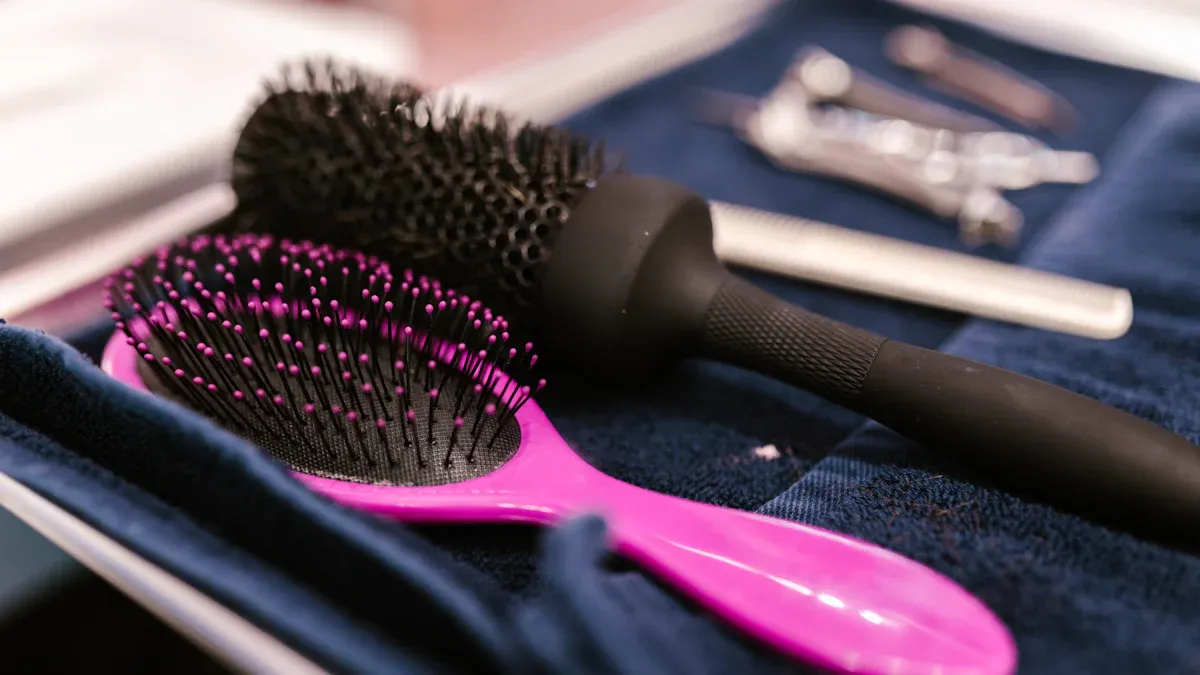
You might wonder, "why is my wig tangling and how to fix it?" You notice your wig gets knots and feels rough, and you want answers fast. The truth is, several things can cause this problem. Friction from daily wear, product buildup, and even the quality of your wig all play a part. If you use high-temperature styling tools often, your wig might tangle more. Wearing your wig correctly, like picking the right wig cap and making sure it fits, helps reduce tangling too. Sometimes, improper care or storage leads to more knots. If you ask yourself, "why is my wig tangling and how to fix it?" you are not alone. Many people face this with their wig. The good news? You can fix it. With a few changes, you will notice less tangling. So, if you keep asking, "why is my wig tangling and how to fix it," know that you can take control and get your wig looking smooth again.
Key Takeaways
Friction from daily wear causes tangling. Wear smooth fabrics around your neck to reduce friction and keep your wig looking fresh.
Product buildup can make your wig feel sticky and heavy. Wash your wig regularly and choose lightweight styling products to prevent buildup.
The quality of your wig affects tangling. Invest in high-quality wigs made from aligned hair cuticles to minimize knots.
Proper care and storage are crucial. Use a wig stand and avoid cramped spaces to keep your wig smooth and tangle-free.
Establish a regular maintenance routine. Brush gently, wash every 7 to 10 wears, and use detangling sprays to keep your wig looking its best.
Why Is My Wig Tangling?
If you keep finding yourself with a tangled wig, you are not alone. Many people struggle with this problem, and it can feel frustrating. Let’s break down the most common causes of wig tangling so you can spot what’s happening with your own wig and take action.
Friction and Daily Wear
Friction is one of the most common causes of wig tangling. Every time you wear your wig, it rubs against your clothes, your pillow, or even your skin. This rubbing makes the hair fibers rougher over time, which leads to more tangles and frizz. You might notice the worst knots at the nape of your neck, where your wig touches your collar or scarf.
Tip: Try wearing silky or smooth fabrics around your neck to reduce friction and keep your wig looking fresh.
Environmental factors also play a big part in tangling:
Cold weather can make tangling worse, especially at the back of your neck.
High necklines and heavy sweaters cause your wig to catch and knot.
Hot weather increases friction and makes your wig feel heavy.
Humidity adds moisture, making your wig frizzy and more likely to tangle.
Wind can blow hair strands around, causing knots and even changing the shape of your wig.
Activities like running or jumping create extra movement, which leads to more tangles.
If you notice your tangled wig gets worse after a busy day or when the weather changes, friction and daily wear are likely to blame.
Product Buildup
Another one of the common causes of wig tangling is product buildup. When you use serums, oils, or styling sprays, they can leave behind sticky residues. Products with heavy silicones or dimethicones are especially bad for this. If you don’t wash your wig often enough, or if you use too many styling products, the buildup makes your wig feel sticky and heavy.
Product buildup does more than just make your wig look dull:
It takes away the shine and smooth texture, making your wig look lifeless.
Buildup causes tangling and matting, which makes it much harder to detangle your wig.
Too much residue can even make your scalp itchy or uncomfortable.
If your tangled wig feels sticky or looks flat, it’s time to check your products and washing routine.
Wig Quality and Processing
Not all wigs are created equal. The quality of your wig has a huge impact on how much it tangles. Low-cost wigs often use lower-grade hair that goes through heavy processing. This processing strips away the natural cuticle, leaving the hair dry and weak. When the cuticle is missing or damaged, the hair fibers catch on each other and tangle easily.
Here’s what you need to know about wig quality and processing:
High-quality wigs made from “ponytail hair” keep the cuticle aligned, so the hair stays smooth and resists tangling.
Lower-quality wigs use hair from different sources, which means more processing and more tangling.
Processed hair often lacks cuticles, making it much more likely to tangle, especially after washing.
Non-remy hair tangles quickly because the cuticles face different directions.
If you find yourself fighting with a tangled wig all the time, the hair quality and how it was processed could be the reason.
Improper Care and Storage
How you care for and store your wig matters just as much as what it’s made of. Improper care is one of the most common causes of wig tangling. Simple mistakes can make your wig knot up fast, but you can fix them with a few changes.
Mistake Description |
Recommended Solution |
|
|---|---|---|
Improper Drying Methods |
Rubbing the wig with a towel or using high heat for drying can cause tangles. |
Pat the wig gently with a towel and let it air dry on a wig stand. Use a cool setting if using a blow dryer. |
Storing the wig in a cramped space or not on a proper stand can lead to tangling. |
Use a wig stand or mannequin head for short-term storage and a silk or satin-lined box for long-term storage. |
|
Over-Brushing and Rough Handling |
Brushing the wig too often or too aggressively can cause breakage and frizz. |
Use a wide-tooth comb or a detangling brush and gently detangle, starting from the ends and working up. |
Neglecting Regular Maintenance |
Skipping regular brushing, washing, and conditioning leads to buildup and tangles. |
Establish a routine for wig care, including gentle brushing and timely washing with suitable products. |
Using Heat Styling Tools Excessively |
Frequent use of high-heat styling tools can dry out and damage the hair. |
Limit the use of heat styling tools. When necessary, use them on a low heat setting and apply a heat protectant. |
Incorrect Washing Techniques |
Scrubbing the wig too harshly during washing can tangle and weaken the hair. |
Gently lather the shampoo and rinse thoroughly without excessive rubbing. Use a downward motion while washing. |
Storing your wig in a cramped space or tossing it in a drawer can lead to a tangled wig and even damage the fibers. Sunlight, wind, and humidity can also weaken the hair and cause more knots. Always use a wig stand or a silk-lined box to keep your wig safe and smooth.
If you want to avoid a tangled wig, pay attention to these common causes of wig tangling. With the right care, you can keep your wig looking beautiful and tangle-free.
Synthetic vs. Human Hair Wig
Synthetic Wig Tangling
Synthetic wigs are made from man-made fibers like plastic or acrylic. You might notice that your synthetic wig holds its style and color with very little effort. This type of wig usually tangles less at first because it comes with a smooth silicone coating. Over time, though, the coating wears off, and the wig starts to tangle more easily. You do not need to style a synthetic wig often, but you should still handle it gently. If you want to keep your synthetic wig looking fresh, use a wide-tooth comb or a special wig brush. Start at the ends and work your way up. Always store your wig on a stand in a cool, dry place. Avoid sunlight and high-collar clothes, which can cause friction and knots.
Tip: Use a detangling spray made for synthetic wigs to help prevent tangles and keep the fibers smooth.
Human Hair Wig Tangling
A human hair wig feels and looks just like natural hair. You might find that your human hair wig tangles more often than a synthetic wig. This happens because the hair structure is real, so it acts like your own hair. You need to brush your human hair wig every day, especially at the nape and tips. Wash your human hair wig every seven to ten wears, depending on how often you use it. Use color-safe shampoo and hydrating conditioner. Rinse well to avoid product buildup, which can cause tangling. Store your human hair wig on a mannequin head to keep its shape and prevent knots.
Note: Shampoo your human hair wig twice during washing to remove grime and keep it tangle-free.
Care Differences
You will notice some big differences in caring for each type of wig. Synthetic wigs need less maintenance, but they have a shorter lifespan—usually four to six months. Human hair wigs last longer and give you more styling options, but they need more attention. Here’s a quick comparison:
Wig Type |
Tangling Frequency |
Maintenance Needs |
Lifespan |
|---|---|---|---|
Synthetic wig |
Less at first, more as coating wears off |
Gentle brushing, detangling spray, careful storage |
4-6 months |
Human hair wig |
Tangles more often |
Daily brushing, regular washing, careful storage |
Longer than synthetic |
If you want a wig that needs less work, go for synthetic. If you want a wig that looks and feels real, and you do not mind extra care, choose a human hair wig. Both types need gentle handling and proper storage to stay smooth and tangle-free.
Fixing a Tangled Wig

Tangled wigs can feel overwhelming, but you can bring your wig back to life with the right approach. Let’s walk through a step-by-step guide that covers everything you need, from recommended tools and products for tangle-free wigs to gentle detangling techniques. You’ll also find tips to avoid common mistakes and keep your wig looking its best.
Tools and Products Needed
Before you start, gather the right tools. Using the correct products makes a huge difference and helps you avoid extra damage. Here are some recommended tools and products for tangle-free wigs:
The Wet Brush Original Detangler: This brush works well on both wet and dry wigs. Its flexible bristles glide through knots without pulling.
Spornette Super Looper Wig Brush: Perfect for synthetic wigs and extensions. The nylon loop bristles move through fibers gently.
Denman D83 Paddle Brush: Great for human hair wigs, especially if you have thick hair. The smooth surface reduces stress on the wig.
Brandywine Wig Spray: This alcohol-free detangling spray helps keep synthetic wigs smooth and frizz-free.
Design Essentials Detangling Leave-In Conditioner: Works for both human and synthetic wigs. It detangles without making the hair heavy.
SheaMoisture Mousse for Curly Hair: Use this mousse to smooth flyaways and lay down lace edges.
Wide-tooth comb: Essential for gentle detangling techniques and for working through knots without causing breakage.
Tip: Always use a detangling spray or leave-in conditioner before you start brushing. This softens the fibers and makes the process much easier.
Detangling Steps for Synthetic Wigs
Synthetic wigs need special care. The fibers can tangle quickly, but you can fix this with patience and gentle detangling techniques. Here’s a step-by-step guide:
Place your wig on a stand. This keeps it steady and helps you see all the tangles.
Spray a detangling spray or leave-in conditioner over the tangled areas. Let it sit for a few minutes so it can work its magic.
Use a wide-tooth comb or a wig brush. Start at the ends and gently work your way up to the roots. Take your time and work in small sections.
If you find stubborn knots, dip the wig in lukewarm water mixed with a little mild shampoo or conditioner. Let it soak for five minutes.
After soaking, gently comb out the tangles again. Never pull or yank on the fibers.
For extra tough mats, use a small amount of alcohol-based solution to help separate the strands.
Let the wig air dry on a stand. Avoid using high heat, as this can damage synthetic fibers.
Tip: If your wig is severely matted, take it to a professional stylist. They have special tools and know the best gentle detangling techniques.
Detangling Steps for Human Hair Wigs
Human hair wigs can handle a bit more, but you still need to be gentle. Here’s how you can detangle your wig safely:
Look for problem areas, like the nape or spots with heavy matting.
Pin your wig to a canvas head using t-pins. This keeps it stable while you work.
Separate the hair into small sections. This gives you better control and helps you focus on one area at a time.
Mix a little conditioner with a treatment mist, then apply it to the tangled spots. Let it sit for a few minutes.
Use a paddle brush or a wide-tooth comb. Start at the ends and gently work your way up. Always use gentle detangling techniques to avoid breakage.
Wash the wig with cool water and a gentle shampoo. Rinse well, then condition again.
For deep conditioning, brush through with a paddle brush, apply more conditioner, and use low heat for a few minutes if needed.
Let the wig air dry on a stand.
Tip: Use a detangling spray or leave-in conditioner with light ingredients like argan oil or silk proteins. Avoid heavy silicones, which can weigh down the hair.
What to Avoid
You want your wig to last, so avoid these common mistakes:
Don’t use regular hairbrushes. They can pull too hard and cause shedding. Always use a wig-specific brush or a wide-tooth comb.
Never start brushing from the roots. Always begin at the ends and work upward.
Avoid brushing or handling your wig when it’s wet, unless you’re using gentle detangling techniques with the right tools.
Don’t use high heat on synthetic wigs. This can melt or damage the fibers.
Skip heavy products with lots of silicones. They cause buildup and make tangling worse.
Don’t let your wig rub against rough fabrics or surfaces for long periods. This increases friction and leads to more knots.
Avoid styles that let the hair sit on your shoulders or back all day. This causes friction and tangling.
Tip: Store your wig on a stand or in a silk-lined box when you’re not wearing it. This keeps it smooth and ready to wear.
With the right tools, products, and gentle detangling techniques, you can keep your wig looking beautiful. Remember these tips and use a detangling spray or leave-in conditioner every time you care for your wig. You’ll notice fewer tangles and a much smoother look.
How to Keep a Wig from Tangling
Daily Care Tips
You want your wig to look smooth and last longer. Start with proven tips for daily care. Moisture is key, so use a light conditioner or a moisturizing mask like Redken Extreme Mask. Brush your wig gently before and after wearing it. Use a wide-tooth comb or a wig brush with soft bristles. Avoid harsh brushing, which can cause knots. Try washing your wig with conditioner instead of shampoo to keep the texture soft. Apply a small amount of silicone-based product to help strands glide past each other. These steps help prevent tangles and keep your wig vibrant.
Remember, regular maintenance is the secret to a healthy wig. Rotate your wigs if you wear them often. This gives each one a break and helps extend the life of your wig.
Proper Storage
Storing your wig the right way makes a big difference. Place your wig on a wig head or stand when you’re not wearing it. This keeps the shape and reduces tangling. For long-term storage, use a silk or satin bag. These fabrics protect your wig from dust and friction. Avoid tossing your wig in a drawer or leaving it on rough surfaces. Proper storage helps maintain the texture and flow, so you can extend the life of your wig.
Product Recommendations
Choosing the right products is part of smart wig care. Use a moisturizing mask like Mlibon Treatment or Redken Extreme Mask once a month. Wig pins help secure your wig without pulling on the hair. A wig brush or a teasing brush with ball tips cut off works best for gentle detangling. Silicone spray is great for keeping strands smooth. Always brush your wig before wearing and apply silicone spray before and after use. These routines support regular maintenance and keep your wig looking fresh.
Reducing Friction
Friction causes tangles fast. Wear silky fabrics around your neck and shoulders. These materials let your wig glide smoothly and minimize snags. Stay away from wool, felt, or fleece, which can make your wig stick and mat. If you want to know how to keep a wig from tangling, focus on reducing friction every day. These simple changes help you extend the life of your wig and keep it soft.
Proven tips for daily care and proper storage will help you keep your wig smooth and beautiful. Stick with regular maintenance and smart routines to enjoy a tangle-free look.
You know your wig can tangle from friction, product buildup, or poor care. You can fix this and keep your wig smooth by following a few simple steps:
Apply detangling spray or conditioner.
Finger-detangle big knots.
Use a wide-tooth comb from the ends.
Wash, condition, and air dry your wig.
Brush gently before and after each wear, use wig-safe products, and store your wig on a stand. Try these tips and enjoy a tangle-free wig every day!
FAQ
How often should you wash your wig?
You should wash your wig every 7 to 10 wears. If you use a lot of styling products, you might need to wash it more often. Always use gentle shampoo and cool water to keep your wig looking fresh.
Can you sleep with your wig on?
You can sleep with your wig on, but it may tangle more. If you want to keep your wig smooth, use a silk pillowcase or wrap your head in a silk scarf. Try to remove your wig before bed for best results.
What should you do if your wig gets frizzy?
If your wig gets frizzy, spray it with a leave-in conditioner or a detangling spray. Gently brush it with a wide-tooth comb. Store your wig on a stand to help it keep its shape and stay smooth.
How do you make your wig last longer?
You can make your wig last longer by brushing it gently, washing it with the right products, and storing it on a wig stand. Avoid heat and rough fabrics. Rotate your wigs if you wear them often to reduce wear and tear.