

How to Choose the Best Wig Cap for Your Hair Type

The best wig cap for your hair type depends on your unique hair and scalp characteristics. Some individuals have oily scalps, while others may experience dryness or sensitivity. When considering how to choose the best wig cap for your hair type, you might prefer a cap that feels soft against your skin, or perhaps one that offers a very realistic appearance. Comfort is crucial since you will be wearing your wig cap for extended periods, and maintaining your scalp health should be your top priority. People from various ages and backgrounds have different preferences when it comes to wig caps. For instance, older adults often seek more coverage, while younger individuals tend to gravitate towards trendy styles. The table below illustrates how choices can vary:
Country |
Age Group Influence |
Gender Influence |
Cultural Influence |
|---|---|---|---|
Germany |
Quality and natural look matter most |
Long-term wear is important |
Many cultures, many styles |
Italy |
Older adults want coverage |
Young people like trendy styles |
Luxury and style are key |
South Korea |
Young people set trends |
High standards for performance |
K-pop and TV shows shape choices |
Japan |
Older people want thinning solutions |
Young people try new looks |
Grooming habits guide picks |
China |
Middle class wants unique styles |
Custom solutions are popular |
Urban life changes beauty standards |
Australia-New Zealand |
All ages want non-surgical options |
Eco-friendly beauty is important |
Many cultures, many beauty ideas |
To effectively choose the best wig cap for your hair type, begin by understanding your scalp and style requirements. Align these needs with the appropriate wig cap features to achieve the best results.
Key Takeaways
Understand your scalp type before choosing a wig cap. Oily, dry, or sensitive scalps require different materials for comfort and health.
Select a wig cap that matches your hair density. Thick hair needs a snug fit, while thin hair benefits from extra grip or padding.
Choose breathable materials like mesh or silk to enhance comfort and reduce irritation. This helps keep your scalp cool and healthy.
Match the cap color to your skin tone for a natural look. This boosts your confidence and ensures your wig blends seamlessly.
Follow a care routine for your wig cap. Regular washing and gentle handling extend its life and maintain scalp health.
Identify Your Hair and Scalp Type
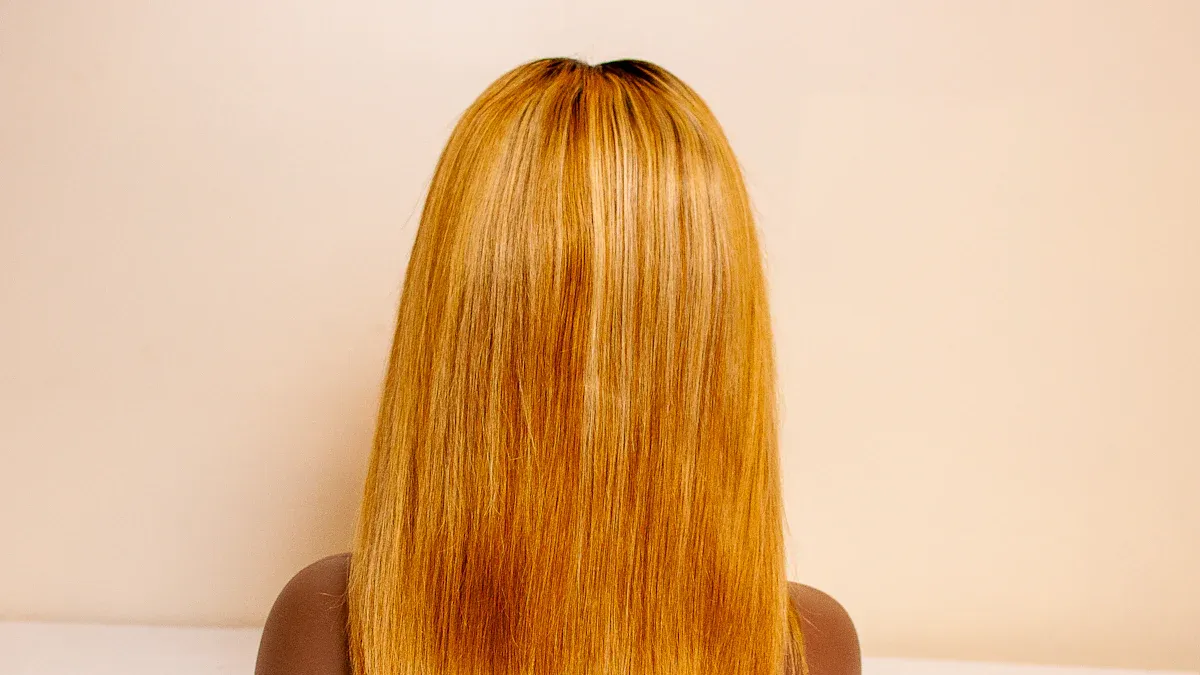
Before you pick a wig cap, you need to know your scalp and hair. This step helps you find a cap that feels good and looks natural. Let’s break it down so you can make the best choice for your comfort and style.
Scalp Conditions: Oily, Dry, Sensitive
Your scalp type plays a big role in how comfortable your wig cap feels. If you have an oily scalp, you might notice your wig slips more often. Dry or sensitive scalps can get itchy or irritated, especially with the wrong materials. Here’s a quick look at features that help different scalp types:
Feature |
Description |
|---|---|
Lightest Cap |
Made for women with permanent hair loss, offers maximum comfort. |
Breathable Material |
Uses soft Diamond net for airflow and comfort. |
Anti-slip Silicone Strips |
Keeps the cap in place without glue or tape, great for sensitive skin. |
Available Sizes |
Comes in S, M, and L for a better fit. |
Active Lifestyle Design |
Stays secure during movement, perfect if you’re always on the go. |
Tip: If you have a sensitive scalp, look for caps with ice silk cotton or skin silicone tabs. These features help prevent slipping and reduce irritation.
Many wig wearers say that itchy scalps are common, especially with scratchy or low-quality caps. Soft materials like Swiss lace can help you avoid this problem. Keeping your natural hair and wig clean also makes a big difference.
Hair Length and Volume
Your hair’s length and thickness matter, too. If you have long or thick hair, you need a cap that fits snugly and holds everything in place. If your hair is thin or you have hair loss, you might want a cap with extra grip or padding.
A well-fitting cap gives you comfort and security.
Adjustable straps help you get the right fit.
Lighter caps feel better for long wear, especially if you have lots of hair.
If the cap is too big, it might slide. If it’s too small, it can hurt.
Higher density wigs look fuller but may feel heavier.
Note: Professional wig fitters always measure your head and check your hair type before recommending a cap. This helps you get the best fit and keeps your wig from moving around.
Taking time to check your scalp and hair type makes a huge difference. You’ll feel more comfortable, your wig will look better, and you’ll avoid common problems like itching or slipping. So, grab a mirror and take a close look at your scalp and hair before you shop!
Wig Cap Types and Features
Choosing the right wig cap can feel overwhelming with so many wig cap options out there. Let’s break down the most popular wig cap styles so you can find what works best for you.
Classic and Wefted Caps
Classic or wefted caps are the most common wig cap options. These caps use strips of hair sewn onto the base, either by machine or hand. You get a fixed style that holds its shape well. Many people like these because they are affordable and last a long time. If you want something lightweight, look for open or capless versions. These have less dense wefts, which means more airflow and comfort, especially if you wear your wig all day.
Description |
|
|---|---|
Traditional or Standard Wefted Cap |
Machine or hand-sewn strips, fixed style, simulates natural hair growth. |
Capless / Open Cap |
Less dense wefts, better air circulation, great for long wear. |
Tip: If you live in a hot or humid place, open caps with breathable wig cap materials like mesh or cotton help keep your scalp cool.
Lace Front and Monofilament
Lace front caps give you a natural-looking hairline. You can style your hair away from your face, and it still looks real. Monofilament caps use a thin, see-through material at the top. This lets you part your hair in any direction and gives a soft feel against your scalp. These caps work well for sensitive skin, especially if you have hair loss or a medical condition.
Wig Cap Type |
|
|---|---|
Lace Front Cap |
Natural hairline, style hair off the face, lightweight. |
Soft, allows multi-directional parting, great for sensitive scalps. |
Silk Top and Open Caps
Silk top caps use a silk lining that feels smooth and reduces friction. This helps if you have a sensitive scalp. Silk also wicks away moisture, so your scalp stays dry. Open caps, as mentioned before, focus on breathability. They use airy wig cap materials like mesh, which help reduce heat and keep you comfortable.
Material |
Breathability |
|
|---|---|---|
Cotton/Bamboo |
Naturally absorbent |
Barrier between scalp and wig |
Mesh/Monofilament |
Lightweight and airy |
Reduces heat retention |
Silk Lining |
Moisture-wicking |
Reduces friction, promotes comfort |
Note: Newer wig cap options now include adjustable straps, skin tone matching, and even custom density for a more natural look.
How to Choose the Best Wig Cap for Your Hair Type
Choosing the right wig cap can feel tricky, but you can make it easy by following a simple checklist. When you ask yourself how to choose the best wig cap for your hair type, you want to think about comfort, breathability, fit, and appearance. Let’s break down each step so you can find the perfect match for your scalp and hair.
Match Cap to Scalp Type
Your scalp needs special care, especially if it’s sensitive, oily, or dry. The right wig cap protects your skin and keeps you comfortable all day. If you have a sensitive scalp, look for soft fabrics like hand-tied or monofilament caps. These caps act as a gentle barrier, stopping irritation from rough wig materials. People with oily scalps often prefer breathable caps that wick away moisture and prevent sweat buildup.
Here’s a quick checklist to help you decide:
Check cap construction: Flexible caps adapt to your scalp and feel softer.
Choose lightweight designs: Heavy caps can make your head feel tired.
Look for ventilation: Open weft caps let air flow and keep your scalp cool.
Pick breathable materials: Thin fabrics help reduce sweating and itching.
Measure your head: The right size stops headaches and keeps your wig secure.
Many wig specialists say measuring your head is the most important step. A cap that fits well will protect your scalp and help you avoid irritation.
Match Cap to Hair Density
Your hair’s thickness and length change how a wig cap fits. If you have thick or long hair, you need a cap that holds everything in place without feeling tight. Thin hair or hair loss means you might want extra grip or padding. When you wonder how to choose the best wig cap for your hair type, always think about how much hair you have.
Here are some tips for matching cap to hair density:
Use adjustable straps for a snug fit.
Try caps with extra grip if your hair is thin.
Pick lighter caps for thick hair to avoid overheating.
Make sure the cap isn’t too tight or too loose.
Factor |
Description |
|---|---|
Cap Construction |
Flexible caps adapt to the scalp, while rigid caps can pinch. Hand-tied constructions are softer and more breathable. |
Weight |
Heavy wigs can strain the neck; lightweight designs promote comfort and reduce overheating. |
Ventilation |
Open weft designs enhance airflow, preventing heat accumulation and discomfort. |
Breathability |
High-quality caps use thin materials to improve airflow, reducing sweating and scalp irritation. |
Scalp Sensitivity |
Breathable caps minimize friction and discomfort for sensitive scalps, promoting overall scalp health. |
If you pick the wrong size, you might get headaches or feel insecure about your wig slipping. Always measure your head and check your hair density before buying.
Color and Natural Look
The color of your wig cap matters more than you think. When you ask how to choose the best wig cap for your hair type, you want your wig to look as natural as possible. Matching the cap color to your skin tone helps the wig blend in and boosts your confidence. If you pick the wrong color, your wig might look fake or washed out.
Here’s how you can match cap color for a natural look:
Find your skin tone: Warm, cool, or neutral.
Choose a cap color that matches or complements your skin.
Try different shades to see which looks best under your wig.
Remember, the right color enhances your natural beauty.
Many stylists say that settling for a cap that doesn’t match your skin tone leads to disappointment. Take your time and test colors before you decide.
Practical Checklist for Selection
When you’re ready to shop, use this checklist to guide you:
Comfort: Does the cap feel good on your scalp?
Breathability: Will it keep your head cool?
Fit: Is the size right for your head and hair?
Appearance: Does the color match your skin and look natural?
Cap Construction: Is it flexible and soft?
Sizing: Did you measure your head for the best fit?
If you follow these steps, you’ll know how to choose the best wig cap for your hair type. You’ll avoid common mistakes like picking a cap that’s too tight or choosing a color that doesn’t suit you. The right wig cap will protect your scalp, keep your hair healthy, and help you feel confident every day.
Choosing the Right Wig Cap: Extra Tips
Comfort and Longevity
You want your wig cap to feel good all day and last as long as possible. Start by picking the right material. Nylon feels light and lets your scalp breathe. Cotton feels soft and works well if you have allergies. Mesh gives you great airflow, so your head stays cool. Silk caps feel extra smooth and help stop friction, which means less itching.
Here are some simple ways to boost comfort and make your wig cap last:
Look for adjustable straps. A snug fit keeps your wig in place and stops rubbing.
Try a soft wig liner. This adds a gentle layer between your scalp and the cap.
Choose breathable materials like lace or silk. These help with airflow and keep sweat away.
Use a wig grip band or silicone strips if you worry about slipping.
Check your wig cap for weak spots. Fix them early to avoid bigger problems.
Over 10% of wig users get skin irritation from their wig caps. Picking the right material and fit can help you avoid this.
A good wig cap does more than hold your hair. It protects your scalp, keeps your natural hair safe, and helps your wig look real.
Care and Maintenance
Taking care of your wig cap helps it last longer and keeps your scalp healthy. Wash your wig every 7 to 10 wears. Use gentle motions and a mild shampoo. Always brush your wig with a wide-tooth comb to stop tangles.
Follow these tips for easy care:
Store your wig on a stand to keep its shape.
Avoid too much heat from styling tools.
Never sleep or swim in your wig.
Use a wig cap under your wig to stop oils and sweat from building up.
Try hydrating serums after washing to keep the fibers soft.
If you want your wig cap to last, treat it gently and store it safely. This keeps it looking and feeling great.
Choosing the right wig cap means thinking about comfort, care, and how you wear it every day. With these tips, you can enjoy a secure, comfortable fit and keep your wig cap in top shape.
Choosing the right wig cap makes a big difference for your scalp and confidence. You want a cap that matches your scalp and hair needs. Comfort, a natural look, and scalp health matter most. Take a look at how wig cap choice affects your scalp:
Evidence Type |
Description |
|---|---|
Peer-reviewed studies |
Tight or rough caps can cause hair loss and irritation. |
Expert advice |
Stylists say a good fit and gentle materials protect your scalp. |
Testimonials |
Many people keep healthy hairlines with the right care and cap. |
When you feel comfortable and look natural, you feel better about yourself:
You worry less about your hair.
You feel more confident, especially if you have hair loss.
Your self-esteem gets a boost.
Use the checklist and tips from this guide. The right wig cap helps you feel secure and lets your true self shine every day. 😊
FAQ
What wig cap works best for a sensitive scalp?
You should try a silk or monofilament cap. These feel soft and gentle. They help stop itching and reduce irritation. Many people with sensitive skin love these options.
How do I keep my wig cap from slipping?
Use adjustable straps or a wig grip band. These help your cap stay in place all day. Make sure you pick the right size for your head.
Can I wear a wig cap with long hair?
Yes! You can braid or pin your hair flat before putting on the cap. Choose a stretchy cap for a snug fit. This keeps your hair secure and hidden.
How often should I wash my wig cap?
You should wash your wig cap every 7 to 10 wears. Use mild shampoo and cool water. Let it air dry. Clean caps help keep your scalp healthy and your wig fresh.