

What Is Synthetic Hair Made Of? Everything You Should Know in 2025
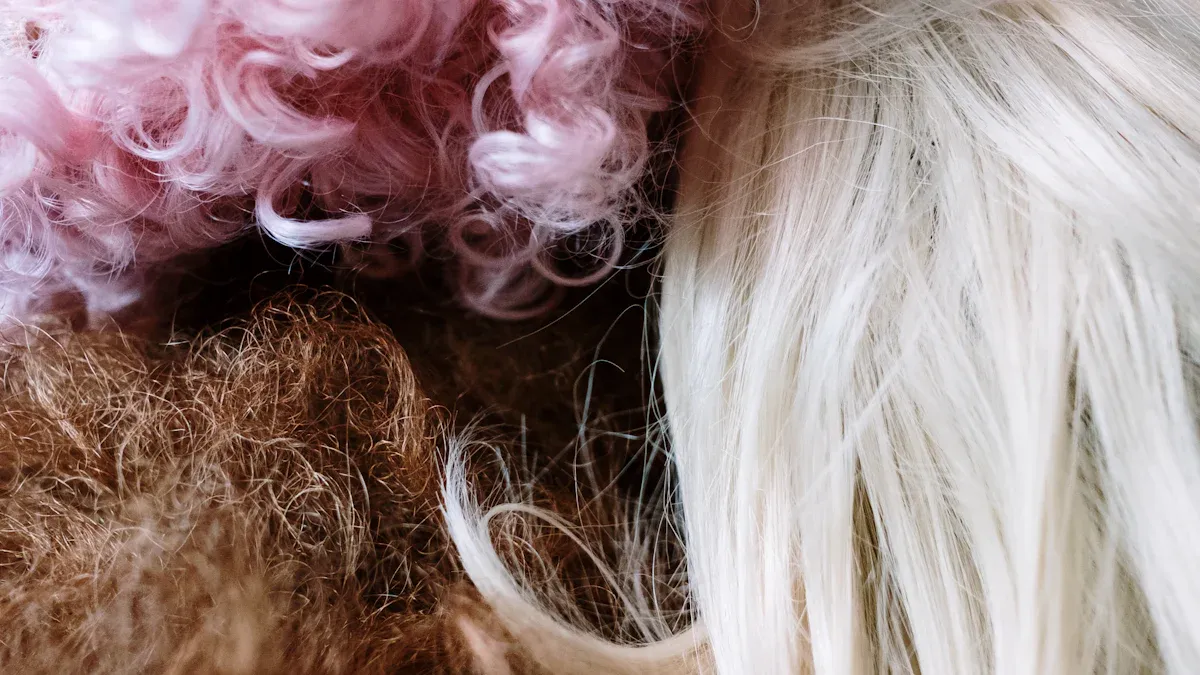
When you ask what is synthetic hair made of, you discover that most products utilize acrylic, nylon, or polyester fibers. Manufacturers create these plastic materials to mimic the look and feel of real hair. Understanding what is synthetic hair made of is essential for making safe choices. Some products may contain harmful chemicals that can negatively impact your health.
-
You might face risks from:
Dangerous substances, including known carcinogens, found in certain synthetic hair products
Exposure through skin contact, inhalation, or even accidental ingestion
Choosing the right product ensures your safety and helps you maintain the health of your hair.
Key Takeaways
Synthetic hair uses materials like acrylic, nylon, and polyester. These fibers look like real hair and cost less.
Always read labels for bad chemicals in synthetic hair. Some chemicals can hurt your health or bother your skin.
Synthetic hair needs special care. Do not use heat tools or it may melt and get tangled.
Pick hypoallergenic synthetic hair if your skin is sensitive. These choices help stop skin problems.
Synthetic hair extensions work well for short-term style changes. They are simple to care for and cheaper than human hair.
What Is Synthetic Hair Made Of
Main Materials: Acrylic, Nylon, Polyester
Acrylic, nylon, and polyester are the main things in synthetic hair. These materials make up most synthetic wig fibers. Acrylic is light and helps styles stay in place. Nylon makes the fibers strong and bendy, so they last longer. Polyester keeps out water and helps the hair look new. These fibers are used a lot because they look like real hair and last a long time.
Synthetic wig fibers do not have keratin, which is in human hair. Instead, companies use plastic fibers to make hair that looks and moves like real hair. These materials make synthetic hair easy to style and care for.
Other Components: Acrylonitrile, PVC, Silicone, Polyethylene-terephthalate
You might wonder what else is in synthetic wig fibers. Companies add other things to make the hair work better and look nicer. Here is a table that shows what some materials do:
Material |
Role in Synthetic Hair Composition |
|---|---|
Acrylonitrile |
Used for its strength and durability |
PVC |
Provides flexibility and resilience |
Polyethylene-Terephthalate (PET) |
Adds structural integrity and stability |
Silicone |
Not mentioned in the context of synthetic hair composition |
Acrylonitrile helps the fibers stay strong and last longer. PVC makes the hair flexible, so it moves like real hair. PET helps the hair keep its shape. Silicone is not very important in synthetic hair.
It is important to know about health and the environment. Some synthetic hair can let out bad fumes when burned, like PVC and modacrylic. Acrylonitrile is dangerous before it is made into fibers, but safe after. Some additives, like phthalates, can mess with hormones. Some dyes can turn into harmful chemicals. Synthetic wig fibers do not break down fast, so they can add to microplastic pollution.
Tip: Always read labels and buy synthetic hair from good brands to stay safe.
How Synthetic Fibers Are Processed
You may ask how these materials become hair. The process has many steps:
Choosing Materials: The right fiber is picked, like Kanekalon, Toyokalon, PVC, or polyester.
Melting and Making Strands: The fibers are melted and pushed through small holes to make hair strands.
Cooling and Hardening: The strands cool down and get hard, making them strong.
Cutting and Bundling: The fibers are cut to the right length for wigs, extensions, or braids.
Adding Color: Special dyes are used to color the hair. These dyes are made for synthetic hair to stop damage.
Giving Texture and Style: Heat and treatments give the hair its final look and feel.
Checking Quality and Packing: Each product is checked before packing to make sure it is good quality.
Heat, shaping, dyeing, and chemicals change how the hair looks and feels. You need special dyes for synthetic hair because normal dyes can fade and limit colors. Chemicals in dyes can change the fibers. Some chemicals used in dyeing can be bad for health and the environment. Permanent dyes use special compounds, and oxidation helps the color last.
Now you know what synthetic hair is made of and how it is made. These steps help you pick the best synthetic hair for you.
Pros and Cons of Synthetic Hair
Affordability and Style Retention
Synthetic hair costs less than human hair. Many people buy synthetic wigs because they are cheaper. You can see the price difference in this table:
Type of Wig |
|
|---|---|
Synthetic Wigs |
$30 to $500 |
Human Hair Wigs |
$400 to $5,000+ |
Synthetic wigs help you save money. You can try new styles without spending much. These wigs keep their shape after you wash them. You do not need to style them every day. Synthetic fibers keep their color well. Sunlight does not make the color fade. This makes synthetic hair easy to care for. It is good for people who are busy.
Durability and Limitations
Synthetic hair does not last as long as human hair. Most synthetic wigs last about 4 to 6 months. Human hair wigs can last more than a year if you care for them.
You cannot use hot tools on synthetic extensions. Curling irons or straighteners can melt the fibers. This ruins the extensions forever. You must keep the style that comes with the wig. Synthetic hair can tangle or mat if you do not care for it. This makes it wear out faster than human hair.
Do not use heat on synthetic wigs. They can melt or get ruined. Synthetic hair tangles easily. You need to be gentle when you care for it.
Environmental and Chemical Considerations
Think about the environment and your health when you pick synthetic hair. Making synthetic hair uses fossil fuels. This causes pollution. Synthetic hair does not break down in landfills. It can turn into microplastics that hurt animals and nature. Human hair breaks down, but there are questions about how it is collected.
Some chemicals in synthetic hair can be bad for you. Acrylonitrile and vinyl chloride may cause health problems. You can breathe in fumes or get them on your skin. Some states do not allow certain flame retardants in synthetic hair. These chemicals can be risky. Always read labels and buy from trusted brands. This helps you stay safe.
Synthetic Hair Extensions and Care Tips

What Are Synthetic Hair Extensions
Synthetic hair extensions give you a way to change your look quickly. You can add length, volume, or color without changing your natural hair. These extensions use man-made fibers like acrylic or nylon. They look and feel like real hair, but cost less. You can use synthetic hair extensions for special events or daily style changes.
Here is a table that shows how synthetic hair extensions differ from synthetic wigs:
Feature |
Synthetic Hair Extensions |
Synthetic Wigs |
|---|---|---|
Material Composition |
Made from man-made fibers like acrylic or nylon |
Typically made from similar synthetic fibers |
Styling Capabilities |
Can be styled to mimic natural hair |
Limited styling options due to cap structure |
Maintenance Requirements |
Easy to care for, minimal maintenance needed |
Requires more care to maintain shape and style |
Synthetic hair extensions work best for temporary style changes. You can try new looks without a big commitment.
Washing and Styling
You need to care for synthetic hair extensions to keep them looking fresh. Follow these steps for washing and styling:
Comb your synthetic hair extensions gently before washing. Start at the ends and move up.
Wash your extensions once or twice a week. Use warm water and sulfate-free shampoo. Keep the water below 40 degrees.
Dry your extensions with a towel. Do not wring them out. Use a hair dryer on cold air if needed.
Store dry synthetic hair extensions in a silk or satin bag. This keeps dust away and helps keep moisture.
Use hair oil or a hair mask after washing. This prevents dryness and frizz.
Recommended products include sulfate-free shampoo, Wash Day Delight, Black Vanilla Moisture and Shine Leave-In Conditioner, and Hair Milk 4-in-1 Combing Creme. These products help keep synthetic hair extensions soft and shiny.
Tip: Always use gentle products and avoid heat styling tools. This keeps your synthetic hair extensions in good shape.
Extending Lifespan
You want your synthetic hair extensions to last as long as possible. Use these tips:
Brush gently with a soft-bristle brush or wide-tooth comb. Start at the ends.
Pick products without sulphates, alcohols, or heavy oils.
Wash less often. Only wash when needed.
Never sleep with wet synthetic hair extensions. Wet hair tangles and breaks.
Tie your hair up at night. Use a loose braid or silk wrap to stop knots and frizz.
Synthetic hair extensions stay beautiful when you care for them the right way. You save money and keep your style looking great.
Synthetic vs. Human Hair
Look and Feel
When you compare human hair and synthetic hair, you notice big differences in how they look and feel. Human hair has a natural shine and moves like real hair. Synthetic hair can look stiff and sometimes feels less smooth. If you look closely, human hair shows real movement and texture. Synthetic hair does not have the same flow or softness. Here is a table to help you see the differences:
Feature |
Human Hair |
Synthetic Hair |
|---|---|---|
Appearance |
Natural luster, realistic movement |
Can appear artificial and stiff |
Texture |
Soft feel, natural flow |
Firmer texture, less smooth |
Close Examination |
Shows natural movement and texture |
Lacks texture and flow under close inspection |
Tip: If you want a wig that looks and feels like your own hair, human hair is the best choice.
Versatility and Styling
You get more styling options with human hair. You can use curling irons, flat irons, or thermal rollers to change the style. You can refresh curls with mousse or leave-in conditioner. You can dye or tone human hair to match your color. Synthetic hair does not let you use hot tools. You must keep the style that comes with the wig. You cannot dye synthetic hair easily.
-
Human hair lets you:
Curl, straighten, or wave with heat tools
Change color with dye or toner
Refresh styles with hair products
-
Synthetic hair:
Keeps its style after washing
Cannot be restyled with heat
Does not allow easy color changes
Cost and Maintenance
You spend less money on synthetic hair. Human hair costs more because it looks and feels real. You also need to care for human hair more often. Synthetic hair needs less care and keeps its style longer. Here is a table that shows how you care for each type:
Aspect |
Human Hair Maintenance |
Synthetic Hair Maintenance |
|---|---|---|
Washing |
Use lukewarm water and mild shampoo; detangle gently. |
Use cool water and synthetic wig shampoo; swirl to cleanse. |
Drying |
Air dry on a stand; use low heat blow dryer with protection. |
Do not use blow dryers; air dry on a wig stand. |
Styling |
Use heat styling tools cautiously; apply heat protector. |
Avoid hot tools; use products specifically for synthetic wigs. |
Storing |
Store on a stand in a cool place; cover with breathable fabric. |
Avoid Styrofoam heads; store on a stand to maintain shape. |
Note: Synthetic hair saves you time and money, but human hair gives you more freedom to style and change your look.
Safety Concerns
Skin Sensitivity and Allergies
Some people get itchy skin after using synthetic hair. You might see red spots or bumps on your scalp. Sometimes, your skin can swell or get sore. These signs mean your skin does not like some synthetic fibers. In 2019, a study showed over 10% of wig users had skin problems from synthetic hair. Kanekalon and other braiding hair can make your scalp itch or hurt. You may feel sore or itchy soon after using these products.
-
Common reactions are:
Itching and redness
Small bumps or rashes
Swelling and soreness
Chemical Exposure
Synthetic hair has chemicals that can be bad for you. You should know which ones cause problems. Some chemicals in synthetic hair can make you sick. Here is a table that shows some chemicals and what they do:
Chemical |
Health Effects |
|---|---|
Benzene |
Can cause leukemia (cancer) |
Lead |
Can hurt your kidneys, brain, and cause problems for kids |
Acetone |
Can make your lungs feel sore |
Methylene Chloride |
Can cause lung and liver cancer |
Heavy Metals |
Can make your skin itchy, cause asthma, and other health issues |
New rules help keep you safe. The FDA checks synthetic hair for safety now. If a product is not safe, it needs a warning label. Always look for these labels before you buy.
Hypoallergenic Options
If you have sensitive skin, you can pick safer synthetic hair. Many brands make hypoallergenic products. These use plant fibers or cleaned synthetic fibers to stop irritation.
-
Popular hypoallergenic choices:
ReGen Hair Fiber™ by Rebundle: Made from banana fibers, gentle on skin
Spetra Hair: Eco-friendly, plant-based, free from harmful chemicals
Nourie: Plant fiber-based, designed to prevent irritation
DOSSO Beauty: Cleansed Kanekalon, dermatologist-approved
Ruka: Biodegradable, hypoallergenic, mimics real hair
Gyal Braids: Pre-washed, chemical-free Japanese Kanekalon
Hypoallergenic synthetic hair helps you avoid itching and swelling. If you have allergies, these products make wearing synthetic hair easier and safer.
You have learned that synthetic hair is made from plastic fibers like acrylic, nylon, and polyester. These materials help make wigs cheap and simple to style. But they can sometimes be bad for your health. When you pick between synthetic and human hair, think about your skin and safety. Also, think about how you want to use the hair.
Synthetic hair can let out harmful chemicals if it gets hot.
People with sensitive skin or health problems have more risk.
Lots of products do not show all the bad ingredients.
Tip: Always read the labels and buy from good brands to keep yourself safe.
FAQ
What are synthetic wigs made of?
Synthetic wigs use acrylic, nylon, and polyester fibers. These materials help the wigs look and feel real. Synthetic wigs do not have keratin like human hair.
Can you style synthetic hair extensions with heat?
Do not use heat tools on synthetic hair extensions. Hot tools can melt the fibers. Pick styles that do not need heat. Some brands make heat-resistant wigs, so check the label.
How do synthetic hair extensions compare to human hair extensions?
Synthetic hair extensions cost less and keep their style longer. Human hair extensions look and feel more real. You can dye and use heat on human hair extensions. Synthetic wigs need less care but have fewer styling choices.
What is the best type of synthetic hair for beginners?
Kanekalon and Toyokalon fibers are good for beginners. These fibers feel soft and hold styles well. They last longer than other types. Many wigs and extensions use these fibers.
What are the disadvantages of synthetic wigs?
Synthetic wigs can look less real than human hair. You cannot use heat tools or change the color easily. Synthetic hair extensions can tangle or frizz quickly. Some people get skin irritation from synthetic wigs.