

How to Safely Dye Synthetic Hair Without Damage (Step-by-Step)
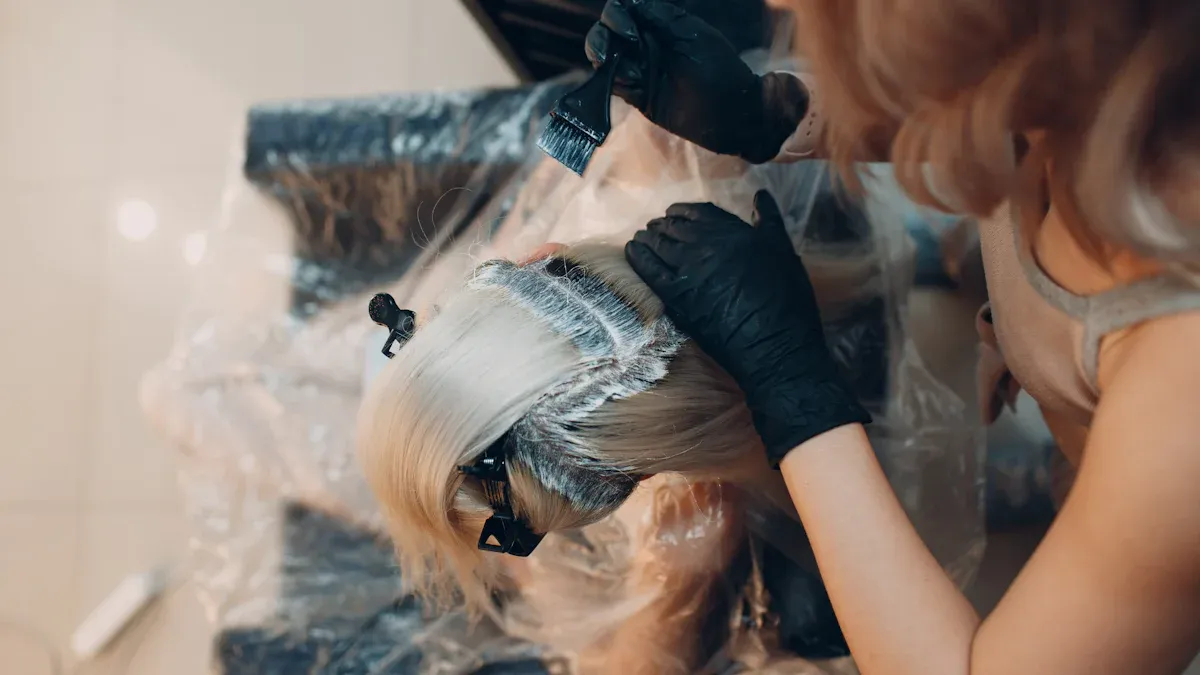
You can dye synthetic hair, but you need to use hair dye for synthetic hair and follow special steps. Traditional dyes do not work well, and heat can ruin the fibers. Some risks include color fading fast, limited shade choices, and possible damage to the wig or extensions. Studies also link some hair dye chemicals to health and environmental issues. On the bright side, synthetic options cost less than human hair but need careful handling for the best results.
Key Takeaways
Use fabric dye or alcohol-based ink made for synthetic hair. Regular hair dyes can hurt the fibers.
Always do a strand test before dyeing the whole wig or extensions. This lets you see the color and check for damage.
Get your workspace ready and put on gloves to protect your hands. Safety is very important when using hair dye.
Do not use much heat after dyeing. High heat can make the color fade and harm synthetic fibers.
Wash and condition your dyed synthetic hair gently and often. This helps it stay bright and fresh.
Can You Dye Synthetic Hair?
Synthetic Fibers and Dyeing Risks
You might wonder if you can dye synthetic hair and get a fresh look. The answer is yes, but you need to know the risks before you start. Synthetic hair is made from plastic fibers like acrylic, polyester, or Kanekalon. These fibers do not react to regular hair dye the way human hair does. If you use traditional hair dye, you can cause serious damage. The chemicals in these dyes break down the fibers, making them weak and brittle. You may see frizz, tangling, or even melting if you use heat or harsh products.
Tip: Always check the label on your wig or extensions. Some synthetic hair types handle color better than others.
Here are some reasons why traditional hair dye does not work for synthetic hair:
Synthetic hair dyes have thousands of chemicals that can harm your health.
Chemical reactions in these dyes can change the structure of synthetic fibers.
Natural dyes like Henna coat the hair instead of forcing a chemical change, which is safer for synthetic hair.
If you want to dye synthetic hair, you should use products made for synthetic fibers. Fabric dye, alcohol-based ink, or temporary sprays work best. These options help you avoid damage and keep your wig or extensions looking smooth.
When Not to Dye Synthetic Hair
Sometimes, it is better not to dye synthetic hair. If your wig or extensions are old, dry, or already damaged, adding color can make things worse. You should also skip dyeing if the hair has a special finish, like heat resistance or shine. Dyeing can ruin these features and shorten the life of your hairpiece.
If you want to keep your synthetic hair healthy, choose gentle coloring methods and avoid harsh chemicals. Always test a small section first. If you see any signs of damage, stop right away. Your hair will thank you for being careful!
Best Hair Dye for Synthetic Hair
Choosing the right hair dye for synthetic hair makes all the difference. You want color that looks fresh but does not damage your wig or extensions. Let’s look at the safest options you can try at home.
Fabric Dye vs. Traditional Hair Dye
Traditional hair dye does not work on synthetic hair. The chemicals in regular dye can melt or ruin the fibers. Instead, you should use fabric dye. Fabric dye sticks to plastic fibers and gives you a more even color. You can find fabric dye in most craft stores. Always pick a dye made for polyester or acrylic, since these match the materials in most synthetic wigs.
When you use fabric dye, follow the instructions on the package. Wear gloves and protect your workspace. Fabric dye for synthetic hair comes in many shades, so you can get creative without risking damage. This method works well for full-color changes.
Ink and Alcohol Method
The ink and alcohol method is another popular way to color synthetic hair. Many people love this technique because it is easy and gives bright results. Here’s how it works:
Mix alcohol-based ink with water in a 1:1 ratio.
Spray or brush the mixture onto your synthetic hair.
Make sure you saturate the hair for even color.
Let the hair dry naturally.
Most users find this method effective for coloring synthetic hair. The quality of your wig or extensions can affect how well the color takes. If you want a bold look, this is a great choice for hair dye for synthetic hair.
Temporary Color Options
If you want to switch up your style without a long-term commitment, try temporary color sprays or gels. These products let you refresh your look in minutes. You can wash them out easily, so they are perfect for special events or quick changes.
Here are some of the most recommended brands for temporary synthetic hair color sprays and gels:
Product Name |
Description |
Price |
|---|---|---|
Silver Stiletto® - Amplified™ Temporary Spray-On Color |
Root Touch-Up |
$12.99 |
Ultra™ Violet - Amplified™ Temporary Spray-On Color |
Root Touch-Up |
$12.99 |
Wildfire - Amplified™ Temporary Spray-On Color |
Root Touch-Up |
$12.99 |
Asphalt Jungle™ - Amplified™ Temporary Spray-On Color |
Root Touch-Up |
$12.99 |
Virgin™- Dye Hard® Temporary Hair Makeup Gel |
Icy white hair gel perfect for chalk effects or mixing pastels. |
$9.99 |
Stiletto®- Dye Hard® Temporary Hair Makeup Gel |
Chrome silver hair gel for high-shine roots and punked-out looks. |
$9.99 |
Glam Gold™ - Dye Hard® Temporary Hair Makeup Gel |
Metallic gold hair gel for bold glitter roots, streaks, and spikes. |
$9.99 |

You can also use colored dry shampoos for a quick color boost. These options are gentle and safe for synthetic hair dye. If you want the best hair dyes for extensions, stick with products made for synthetic fibers. You will get vibrant color and keep your hair looking smooth.
Tip: Always test a small section before using any hair dye for synthetic hair. This helps you avoid surprises and keeps your wig or extensions in top shape.
Steps to Dye Synthetic Hair

Ready to change up your look? Here’s your step-by-step guide to dyeing hair extensions, wigs, or any synthetic piece at home. You’ll find every detail you need, from prepping extensions for dyeing to aftercare. Let’s walk through the process together!
Preparation and Materials
Before you start dyeing, gather everything you need. Prepping extensions for dyeing makes the whole process smoother and helps you avoid messes or mistakes. Here’s a handy table to help you organize your supplies:
Item |
Purpose |
|---|---|
Synthetic wig or extensions |
The hair you want to dye |
Fabric dye or alcohol ink |
Safe color for synthetic fibers |
Gloves |
Protects your hands from stains and chemicals |
Mixing bowl & brush |
For blending and applying dye |
Spray bottle (for ink) |
Evenly distributes color |
Old towel or cape |
Shields your clothes and workspace |
Wide-tooth comb |
Detangles hair before and after dyeing |
Wig stand or hanger |
Holds hair in place while drying |
Cold or lukewarm water |
For rinsing out the dye |
Mild shampoo & conditioner |
Cleans and softens after dyeing |
Fabric softener or silicone mix |
Prevents tangling and adds shine |
You can find most of these items at beauty supply stores or online. When you dye a synthetic wig or dye hair extensions, always use products made for synthetic fibers. Avoid traditional dyes with harsh chemicals like ammonia or hydrogen peroxide. These can damage your wig or extensions.
Strand Test and Safety
Safety comes first when dyeing synthetic hair. Allergic reactions to synthetic hair dye products happen more often than you might think. Ingredients like PPD can cause skin problems or even allergic contact dermatitis. Always do a patch test on your skin before you start dyeing hair extensions at home. This helps you spot any allergies early.
Here are some safety tips to follow:
Wear gloves when mixing or applying dye.
Never mix different dye brands or formulas.
Don’t leave dye on longer than the instructions say.
Rinse your wig or extensions well after dyeing.
Never use hair dye on your eyelashes or eyebrows.
Always follow the instructions for dyeing synthetic hair extensions.
A strand test is a must. Take a small section of hair and apply the dye. Wait to see how the color turns out and check for any damage. If the test looks good, you can move on to the full dyeing process.
Application Process
Now you’re ready to dye a synthetic wig or dye hair extensions. Here are the steps:
Detangle the hair with a wide-tooth comb. This prevents knots and makes dyeing easier.
Place the wig or extensions on a stand or hanger. This keeps them steady.
Mix your dye according to the package instructions. If you’re using the ink and alcohol method, combine the ink and alcohol in a spray bottle.
Apply the dye evenly. Use a brush for fabric dye or spray for ink. Work in small sections for even coverage.
Massage the dye gently into the fibers. Don’t rub or pull, as this can cause shedding.
Let the dye sit for the recommended time. Don’t go over the suggested time to avoid damage.
When dyeing hair extensions at home, always work in a well-ventilated area. If you want to prevent shedding, avoid tugging or pulling the hair. Use a wig brush or wide-tooth comb, starting at the ends and working up. Limit heat styling and use only wig-friendly products.
Rinsing and Drying
After dyeing, it’s time to rinse your wig or extensions. Use cold or lukewarm water. Hot water can damage synthetic fibers. Gently swish the hair in the water until the dye runs clear. Don’t rub or wring the hair.
Apply a small amount of mild shampoo if needed. Rinse again. Next, use a conditioner or a mix of fabric softener and water. This helps keep the hair soft and prevents tangling.
Pat the hair dry with a towel. Don’t twist or squeeze. Place the wig or extensions on a stand and allow it to air dry. Never use a blow dryer or direct heat, as this can melt synthetic fibers.
Aftercare Tips
Taking care of your dyed synthetic hair keeps it looking fresh and smooth. Here’s what you can do:
Wash your wig or extensions only when needed. Overwashing can cause fading.
Use gentle, wig-specific shampoos like African Black Soap Reviving Shampoo.
Condition with lightweight products such as Briogeo’s Be Gentle, Be Kind Aloe + Oat Milk Conditioner.
Add shine with a light hair oil, like Bread Beauty Supply’s Everyday Gloss.
Reduce frizz with leave-in conditioners or mousse.
Store your wig on a stand, away from sunlight and humidity.
Avoid pulling or tugging when putting on or taking off your wig.
Use a wig cap to protect your own hair and scalp.
Regularly check for loose hairs and re-knot if needed.
If you notice any color fading, you can refresh the color with a temporary spray or repeat the dyeing process. Always handle your hair gently to prevent shedding and keep it looking its best.
Dyeing synthetic hair can be fun and easy when you follow these steps. With the right prep, safety checks, and aftercare, you’ll get vibrant color and keep your wig or extensions in great shape!
Maintain Dyed Synthetic Hair Extensions and Wigs
Washing and Styling
Taking care of your dyed synthetic hair extensions and wig helps you keep that fresh color and smooth texture. You want to wash your wig gently. Use cool or lukewarm water with a sulfate-free, color-safe shampoo. Skip harsh chemicals because they can strip the color and make your wig look dull. Condition your wig with a product made for synthetic hair. This keeps the fibers soft and shiny.
When you style your wig, limit heat. High temperatures can fade the color and damage the fibers. Try air-drying your wig on a stand. Use a wide-tooth comb to detangle. If you want to use styling tools, pick ones with low heat settings. Store your wig in a cool, dry place away from sunlight. This simple step helps with maintenance and keeps your wig looking new.
Tip: Always wear gloves when you dye synthetic hair extensions or wash your wig. This protects your hands and keeps the color from staining your skin.
Preventing Fading
You want your wig to stay vibrant as long as possible. Sunlight can fade the color fast. Wear a hat or scarf when you go outside. You can also use UV-protection sprays made for hair. If you swim, rinse your wig with fresh water right after to remove chlorine or salt. Wash your wig less often. Dry shampoo is a great way to keep your wig fresh between washes.
Here are some easy ways to prevent fading:
Use a UV protectant or wear a hat in the sun.
Stick with pH-balanced, sulfate-free shampoo.
Deep condition your wig weekly with a color-safe mask.
Choose high-quality extensions with color-locking technology.
Troubleshooting Color Issues
Sometimes your wig might lose color or look patchy. Don’t worry! You can fix most problems with simple maintenance. If you see fading, refresh the color with a temporary spray or repeat the dye synthetic hair extensions process. If your wig feels dry, use a hydrating conditioner. For tangling, try a fabric softener rinse.
If you notice uneven color, do a strand test before you dye synthetic hair extensions again. This helps you avoid surprises. Always check your wig for loose fibers and re-knot if needed. Regular maintenance keeps your wig looking its best.
Note: Store your wig away from sunlight and humidity. This helps prevent fading and keeps your wig ready for any style.
You can get vibrant color on synthetic hair if you use the right products and follow safe steps. Synthetic fibers need special dyes, like fabric dye, because regular hair dye just won’t work. Here’s what you should remember:
Synthetic hair is plastic-based and needs fabric dye for best results.
Standard hair dye can’t color synthetic fibers.
Always test a small strand before you dye the whole wig.
If you want the safest results, try these steps:
Pick a dye made for synthetic hair.
Prepare your workspace and wear gloves.
Test a strand first.
Use warm water with dye.
Rinse and dry gently.
Take care of your wig and check for fading. You’ll keep your style fresh and your hair healthy! 😊
FAQ
Can you lighten synthetic hair with bleach?
No, you can’t lighten synthetic hair with bleach. Bleach damages synthetic fibers and can melt them. If you want a lighter color, buy a wig or extensions in that shade.
How long does the color last on synthetic hair?
Color usually lasts 2–6 weeks. It depends on how often you wash and style your wig or extensions. Temporary sprays wash out faster than fabric dye or ink.
Is it safe to use heat tools after dyeing synthetic hair?
Most synthetic hair does not handle heat well. Heat can melt or damage the fibers, especially after dyeing. Always check the label for heat-safe instructions.
What should you do if the color turns out uneven?
Try a temporary color spray to even out the shade. You can also reapply the dye to patchy spots. Always do a strand test first to avoid surprises.