

Types of Wig Caps: Pros, Cons & How to Choose the Right One
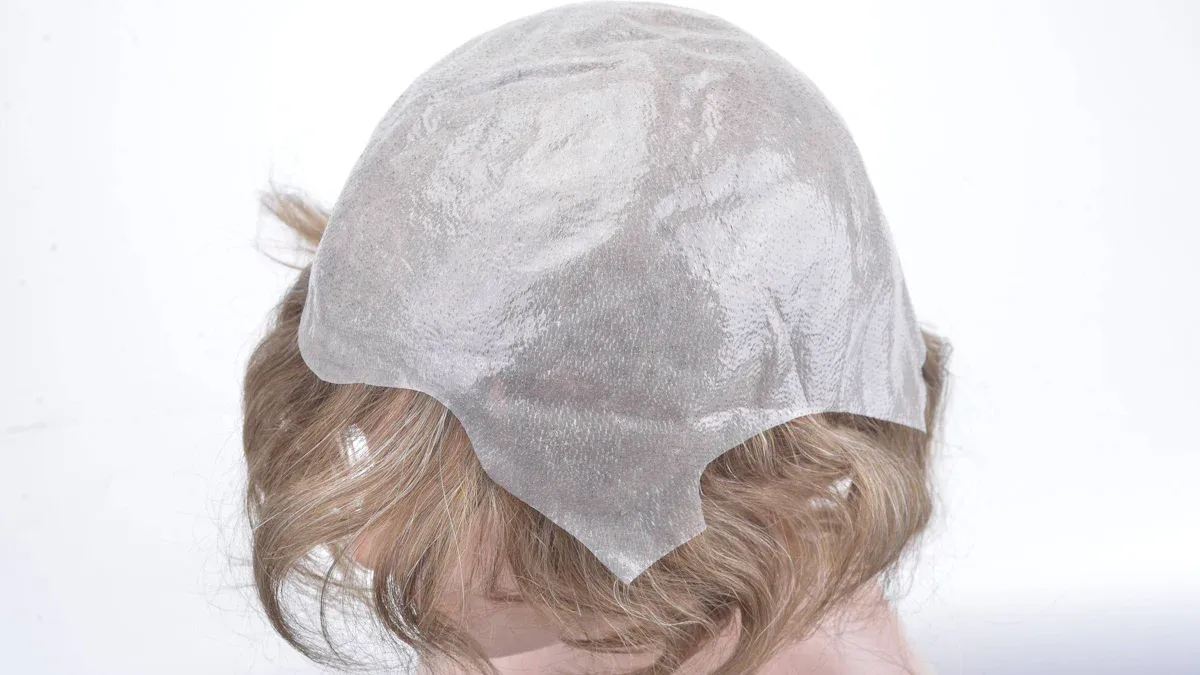
When you look for a wig cap, you see so many choices! You might spot lace front, full lace, headband, or even a V part wig. People love mesh, dome, and net caps for comfort. Many wig caps use polyester or nylon, making your wig and hair feel light and secure. Types of Wig Caps: Pros matter when you want the best style for your hair. Some caps, like silicone, feel soft on your scalp. Others, like wefted or machine-made, help your wig stay in place. You can find a wig cap for every hair need and style. Think about how your hair feels under each wig. Your wig should fit your life, hair, and budget.
Key Takeaways
Pick a wig cap that feels good, looks nice, and fits your budget. The material and design can change how the wig feels and looks on you.
Lace front and full lace wig caps let you try many styles. They help the hairline look real and let you wear different hairstyles.
Always measure your head to get the right size. A wig that fits well will not bother you and feels better every day.
Types of Wig Caps: Pros & Cons
Classic/Wefted Wig Cap
You might see classic or wefted wig caps everywhere. These wig caps use strips of synthetic hair sewn into layers. The layers overlap, so your wig looks fuller and more like real hair. The crown has lace lining, and the wefting attaches to an elastic lace base. You get a velvety strip along the front hairline and ear tabs for comfort. This type of wig cap feels secure and holds its shape well.
Classic/wefted wig caps stand out for their durability and volume. You can wear them every day, and they keep your style looking fresh.
Advantages |
Disadvantages |
|---|---|
Durability: Great for everyday wear. |
Potential scalp irritation. |
Volume: Holds shape well for a fuller look. |
Discomfort from tightness. |
Other types of wig caps, like monofilament or lace front wig caps, offer more natural hairlines and flexible parting. If you want a simple, sturdy wig cap, classic/wefted is a solid choice.
Lace Front Wig Cap
A lace front wig cap gives you a super realistic hairline. The front of the wig uses lace, so it looks like your hair is growing right from your scalp. You can style your hair away from your face, and the lace blends in with your skin. Lace front wig caps use materials like lace, ice milk silk cotton, Zeomic antimicrobial fabric, and PureFit Grip Cap 2.0 silicone. These materials keep your scalp cool, dry, and comfortable.
Material |
Impact on Comfort and Appearance |
|---|---|
Lace |
Mimics real scalp for a natural look, allowing versatile styling. |
Ice Milk Silk Cotton |
Provides a cool-to-the-touch feel, is moisture-wicking, and keeps the scalp dry and fresh. |
Zeomic Antimicrobial |
Inhibits microbial growth, preventing odors and scalp issues, enhancing overall comfort. |
PureFit Grip Cap 2.0 |
Features medical-grade silicone for a secure fit without irritation, ideal for sensitive scalps. |
Pros |
Cons |
|---|---|
Extremely realistic appearance |
Higher cost than regular wigs |
Offers styling versatility |
Can be delicate and requires careful handling |
Super breathable material |
May need repairs if damaged |
Lighter than other wigs |
Styling versatility
Affordable options available
Easy to apply and remove
Won't damage natural hair
But you might find a learning curve when applying lace front wig caps. Adhesives can be tricky, and you need to reapply every few weeks. If you want a breathable wig cap with a natural look, lace front is a top pick.
Full Lace Wig Cap
A full lace wig cap uses lace all over the wig. You get lace at the front, back, and sides. This means you can part your hair anywhere and style it in any direction. Full lace wig caps are hand-tied, so every strand moves like real hair. You can wear high ponytails, buns, or braids without showing tracks.
Feature |
Lace Front Wig |
Full Lace Wig |
|---|---|---|
Construction |
Regular wig material at the back, Lace in the front. |
Full Wig Cap made of lace. |
Styling Options |
Versatile, yet limited with high updos only |
Completely unrestricted |
Cost |
Affordable |
Expensive |
Installation & Maintenance |
Relatively easy to put on and maintain. |
Requires a higher level of care and professional installation |
Full lace wigs let you part your hair anywhere.
You get a natural look with no visible seams.
These wigs last longer than many other types.
If you want the most styling freedom and a breathable wig cap, full lace is the way to go. You need to care for it and may need help with installation, but the results look amazing.
Monofilament Wig Cap
Monofilament wig caps use a fine, sheer mesh that looks like your scalp. Each hair strand is hand-tied to the mesh, so it seems like the hair grows from your head. You can part your hair in any direction, and the wig moves naturally. The mesh is lightweight and breathable, so you stay comfortable all day.
Monofilament wigs create a realistic scalp and hair movement.
You can style your hair in many ways.
The mesh cap is soft and gentle, perfect for sensitive scalps.
People with hair loss or scalp sensitivity love monofilament wig caps.
If you want a breathable wig cap that feels soft and looks real, monofilament is a great choice.
Hand-Tied Wig Cap
Hand-tied wig caps use a special process. Each hair strand is tied by hand to a stretchy base. This makes the wig flexible, and the hair moves like your own. You get a natural look, and the cap feels soft against your scalp. There are no bulky tracks, so it's comfortable for sensitive skin.
Pros |
Cons |
|---|---|
Superior comfort |
Higher cost |
Breathability |
Maintenance requirements |
Styling versatility |
Hand-tied wig caps take a lot of time to make, so they cost more. You need to care for them, but you get comfort and style in return.
360 Lace Wig Cap
A 360 lace wig cap has lace all around the head, but the middle uses a machine-made cap. You get a circle of lace at the front, back, and sides. This design lets you wear high ponytails and buns without showing tracks. The lace area is smaller than a full lace wig, so it's less breathable.
Feature |
360 Lace Wig |
Full Lace Wig |
|---|---|---|
Construction |
Circle lace around the head with machine-made cap |
Entirely hand-knotted onto lace cap |
Size of Lace |
Sheer lace around the hairline |
Lace all over the head |
Breathability |
Less breathable due to smaller lace area |
More breathable due to larger lace area |
Complexity of Installation |
Easier to install |
More time-consuming to install |
Use Case |
Description |
|---|---|
Low-Maintenance Protective Styling |
Ideal for individuals looking for easy-to-manage hairstyles that protect natural hair. |
Thinning Edges |
Beneficial for those experiencing hair loss or thinning edges, providing a natural look. |
Versatile Styling Options |
Allows for various hairstyles, including high ponytails and buns, without exposing tracks. |
If you want easy styling and a natural look at the front and back, a 360 lace wig cap works well.
T Part Wig Cap
T part wig caps have a T-shaped parting at the front. This gives you a natural hairline, but you can only part your hair in the center. T part wigs are affordable and easy for beginners. You get a natural look, but you can't change the parting.
T part wig caps are budget-friendly and simple to use. You get a fixed middle part, which limits styling options.
Limited breathability because the lace area is small.
You can't style your hair in different ways.
If you want a simple, affordable wig cap with a natural front, T part is a good choice.
V/U Part Wig Cap
V part and U part wig caps have openings at the front shaped like a V or U. You pull some of your own hair through the opening, so the wig blends with your natural hair. V part wigs are easier and quicker to install. U part wigs need more skill and patience, but they look more realistic.
Feature |
V Part Wig |
U Part Wig |
|---|---|---|
Installation Ease |
Easier and quicker to install |
Requires more skill and patience |
Hair Sectioning |
Less precise sectioning needed |
Careful sectioning required for larger opening |
Can create a natural look with minimal effort |
More realistic look by incorporating more natural hair |
If you want a half wig cap that blends with your own hair, V/U part wig caps are a great option.
Headband Wig Cap
Headband wig caps use a stretchy headband at the front. You don't need glue or clips. These wigs are perfect if you want quick styling and comfort. Headband wigs are lightweight and breathable, so your scalp stays cool. You can try new styles and colors without making a big change.
Headband wigs are easy to install and remove.
They work for busy people and those with sensitive scalps.
You can show or hide your hairline.
They fit many budgets and styles.
Pros |
Cons |
|---|---|
Natural appearance |
Not as breathable as lace wigs |
Easy to install |
|
Secure option |
|
Cheap price |
|
Stylish and variable |
|
Optional to show or hide hairline |
|
Restyle versatility |
If you want a wig cap that's quick, comfortable, and stylish, headband wigs are a smart pick.
Closure Wig Cap
Closure wig caps use a small lace piece at the front or top. You get a natural parting without leaving your own hair out. Closures protect your hair and give you a neat look. Lace front wigs cover the whole scalp, but closures focus on one area.
Lace front wigs let you style your hair in many ways.
Closures give you a natural parting and protect your hair.
Closures work well if you want a simple, protective style.
If you want a wig cap that covers just the front or top, closures are a good choice.
Mesh & Adjustable Wig Cap
Mesh wig caps use a net-like material. You get great airflow and moisture evaporation, so your scalp stays cool. Adjustable wig caps have straps or hooks, so you can change the fit for your head size.
Feature |
Description |
|---|---|
Mesh Caps |
Provide excellent airflow and moisture evaporation, ensuring breathability. |
Adjustable Caps |
Allow customization of fit for different head sizes, enhancing comfort. |
If you want a breathable wig cap that fits well, mesh and adjustable wig caps are perfect.
Machine-Made Wig Cap
Machine-made wig caps use machines to sew the hair into the cap. These wigs are thicker and give you more volume. They cost less and are made quickly. Hand-tied wig caps use hand sewing, so they take longer and cost more. Machine-made wig caps may cause irritation for sensitive scalps.
Machine-made wig caps are affordable and easy to find.
You get more lift and volume.
They may not feel as soft as hand-tied wig caps.
If you want a budget-friendly wig cap with lots of volume, machine-made is a good choice.
You have many types of wig caps: pros and cons matter for each one. Think about your comfort, style, and budget. Try different wig caps to find the best fit for your hair and life.
Wig Cap Comparison Guide
Description & Features
Classic/Wefted: This wig cap uses rows of hair sewn onto strips. It feels sturdy and gives you volume.
Lace Front: You see lace at the front. It creates a natural hairline and lets you style your wig away from your face.
Full Lace: Lace covers the whole wig cap. You can part your wig anywhere and wear updos.
Monofilament: The top uses a sheer mesh. Each strand is tied by hand for a real scalp look.
Hand-Tied: Every strand is tied to a soft base. The wig moves like your own hair.
360 Lace: Lace circles your head. The middle uses a machine-made cap.
T Part: Lace forms a “T” at the front. You get a fixed part.
V/U Part: The front has a V or U opening. You blend your own hair with the wig.
Headband: A stretchy band holds the wig. No glue or clips needed.
Closure: A small lace piece sits at the top or front. It gives you a neat part.
Mesh & Adjustable: Mesh lets air flow. Adjustable straps help the wig cap fit well.
Machine-Made: Machines sew the hair in. These wigs are thick and budget-friendly.
Pros of Each Wig Cap
Classic/Wefted: Durable, full look, easy to find.
Lace Front: Realistic hairline, lots of lace styling options, breathable.
Full Lace: Style freedom, natural look, updos possible.
Monofilament: Soft, gentle, looks like your scalp.
Hand-Tied: Moves naturally, comfy for sensitive scalps.
360 Lace: High ponytails, natural edges, easy to style.
T Part: Affordable, simple, natural front.
V/U Part: Blends with your hair, quick install.
Headband: Fast to put on, comfy, no glue.
Closure: Protects your hair, neat part, easy care.
Mesh & Adjustable: Cool, fits many head sizes.
Machine-Made: Cheap, thick, lots of volume.
Cons of Each Wig Cap
Classic/Wefted: Can feel hot, may irritate.
Lace Front: Needs care, lace can tear, higher price.
Full Lace: Expensive, takes time to install.
Monofilament: Costs more, needs gentle handling.
Hand-Tied: Pricey, needs upkeep.
360 Lace: Less lace in the middle, not as cool.
T Part: Only one part, less lace breathability.
V/U Part: Needs your own hair, not for full coverage.
Headband: Not as much lace, less natural for some.
Closure: Limited lace parting, not for all styles.
Mesh & Adjustable: May slip, less secure for some.
Machine-Made: Can itch, less soft.
Best For & Ideal Use
Classic/Wefted: You want a sturdy wig cap for daily wear.
Lace Front: You love lace styles and want a real hairline.
Full Lace: You want to style your wig any way you like.
Monofilament: You have a sensitive scalp and want a soft feel.
Hand-Tied: You need comfort and a natural look.
360 Lace: You want ponytails and easy lace styling.
T Part: You want a budget wig cap with a set part.
V/U Part: You want to blend your own hair with the wig.
Headband: You need a quick, comfy wig cap.
Closure: You want to protect your hair and keep things simple.
Mesh & Adjustable: You want a cool, custom fit.
Machine-Made: You want a thick, affordable wig.
Tip: When you compare wig cap types, think about comfort, how much air the lace lets in, fit, how much time you have for care, and your budget. The right wig cap makes your wig feel just right for you.
How to Choose the Best Wig Cap

Comfort & Scalp Sensitivity
You want your wig cap to feel soft and gentle. If you have a sensitive scalp, look for different materials of wig cap like premium Swiss lace or medical-grade lace. Hand-tied caps help reduce friction and give you a smooth feel. Always check the proper size of the wig cap. A good fit means less irritation and more comfort. Try human hair wigs if you want a softer, more breathable option. Never pick style over comfort—your scalp will thank you!
Tip: Test your wig for a few hours before wearing it out. This helps you spot any discomfort early.
Styling & Versatility
Do you love changing your hairstyle? Lace front and full lace caps offer the most styling versatility. You can create a natural-looking hairline and try ponytails or braids. Some wig caps let you part your hair anywhere, while others have a fixed part. Think about how much versatility you want before you choose the best wig cap.
Budget & Maintenance
Wig caps come in many price ranges. Machine-made caps cost less, but hand-tied or lace options offer higher quality and a gorgeous look. Remember, high-quality wigs last longer and need less fixing. Pick a wig cap that matches your budget and your time for care.
Lifestyle & Fit
Your daily routine matters. If you stay active, pick a wig cap with adjustable straps for a secure fit. Mesh and lace caps keep you cool. Always measure your head to find the right size. The best wig cap fits your lifestyle and feels comfortable all day.
Step-by-Step Selection
Decide on comfort and quality first.
Choose the size that fits your head.
Pick the lace or material for your needs.
Think about styling versatility.
Match your budget and maintenance level.
Try different materials of wig cap for the best fit.
You can find the best wig cap by focusing on comfort, quality, size, and versatility. This helps you get a natural-looking hairline and a wig that feels great every day.
Quick Reference Table
Wig Cap Types at a Glance
Do you want to compare wig cap types fast? This table shows the main features, good points, bad points, and who should use each one. You can look at it to pick the best lace or non-lace wig cap for your style.
Tip: If you like changing your hairstyle, look at the “Styling” column. It tells you which lace wig cap lets you style your hair in many ways!
Wig Cap Type |
Main Feature |
Pros |
Cons |
Best For |
|---|---|---|---|---|
Classic/Wefted |
Rows of hair sewn in |
Full look, durable |
Can feel hot |
Everyday wear |
Lace Front |
Lace at the front |
Realistic hairline, style away from face |
Needs care, lace can tear |
Natural look lovers |
Full Lace |
Lace all over |
Part anywhere, updos |
Expensive, needs skill |
Maximum styling |
Monofilament |
Sheer mesh top |
Soft, scalp-like look |
Costs more |
Sensitive scalps |
Hand-Tied |
Each hair tied by hand |
Moves naturally, comfy |
Pricey, needs upkeep |
Comfort seekers |
360 Lace |
Lace circles the head |
High ponytails, natural edges |
Less lace in middle |
Versatile styles |
T Part |
T-shaped lace part |
Affordable, simple |
Fixed part, less lace |
Beginners |
V/U Part |
V or U opening for your hair |
Blends with your hair |
Needs your own hair |
Quick blending |
Headband |
Stretchy band, no lace |
Fast, comfy, no glue |
Less natural for some |
Busy days |
Closure |
Small lace piece at top |
Protects hair, neat part |
Limited parting |
Simple styles |
Mesh & Adjustable |
Mesh for airflow, straps |
Cool, fits well |
May slip |
Hot weather |
Machine-Made |
Machine-sewn hair |
Cheap, thick |
Can itch, less soft |
Budget shoppers |
This table helps you pick the right lace or non-lace wig cap for your needs. Try different types and see which one feels best for you!
You now know why picking the right wig cap matters.
Think about your comfort, style, and budget before you choose a wig.
Try different wig cap types or talk to a wig expert.
You can find a wig that makes you feel great every day!
FAQ
How do you pick the right wig cap size?
Measure your head with a soft tape. Check the wig cap’s size chart. Try different sizes until you find one that feels snug but not tight.
Can you wear a wig cap every day?
Yes! You can wear a wig cap daily. Choose a breathable style for comfort. Wash your wig cap often to keep your scalp fresh.
Do wig caps work for sensitive scalps?
Absolutely! Look for soft materials like silk or hand-tied caps. These feel gentle and help you avoid itching or irritation.